The most common junk car scams in Indianapolis are bait-and-switch offers, surprise towing fees, bad checks, unlicensed buyers, lowball pressure, no-show pickups, and lead-selling middlemen. Avoid them by getting the offer in writing, confirming free towing, insisting on payment at pickup, and verifying the buyer’s Indiana salvage license.
Last updated: August 2026
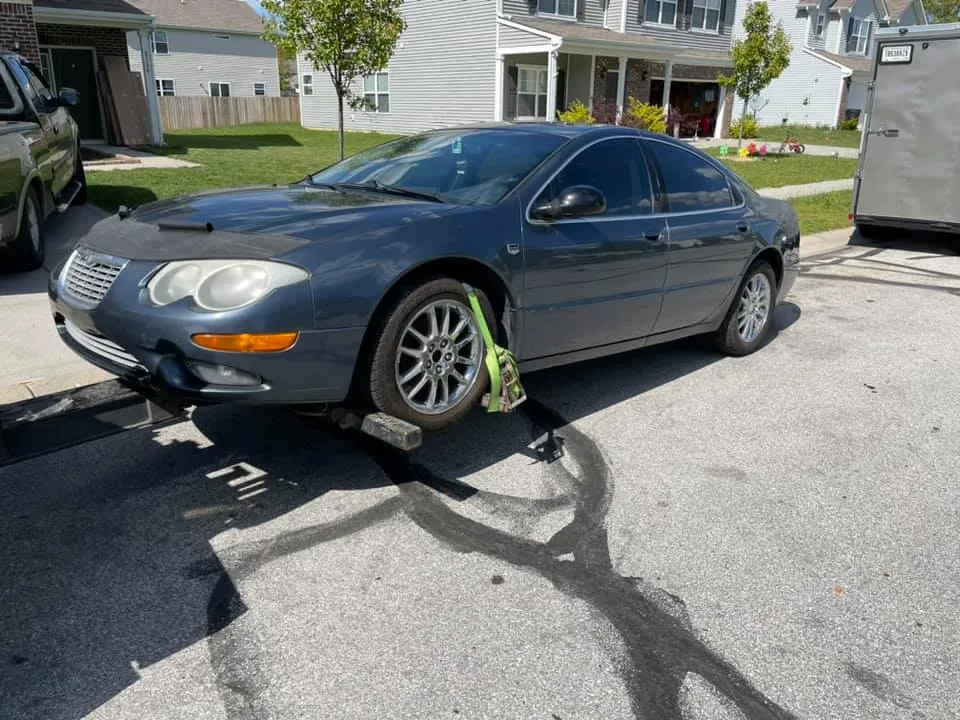
We buy junk cars across Indianapolis every day at Cash Car Heroes, and a lot of the sellers we meet have already been burned once. The stories repeat: the $500 phone quote that shrank to $280 in the driveway, the “free towing” that showed up as a $95 deduction, the check that bounced a week after the car was gone.
None of this means the cash-for-cars business is a scam. Most buyers are legitimate. But the bad ones follow the same seven scripts, and once you know the scripts, they’re easy to beat. Here’s each scam, how it works, and the specific move that shuts it down — including the Indiana license lookup that most sellers have never heard of.
The 7 Junk Car Scams at a Glance
| Scam | Red Flag | Your Move |
|---|---|---|
| Bait-and-switch pricing | Big phone offer, new number at pickup | Get the quote in writing before scheduling |
| Hidden towing fees | Fees “deducted” from the offer at the door | Ask: “Is towing free, and is anything deducted?” |
| Bounced or fake checks | Buyer resists cash, rushes the handoff | Cash on the spot, or verify the check first |
| Unlicensed operators | No license number, no yard, no paper trail | Look them up in Indiana’s dealer database |
| Lowball pressure | “It’s worthless — I’m doing you a favor” | Know your value, get 2-3 quotes |
| No-show ghosting | Vague pickup windows, expiring quotes | Confirm who is towing and when |
| Lead-selling middlemen | Strange callbacks from numbers you never contacted | Ask: “Do you own the trucks? Where’s the yard?” |
1. What Is the Bait-and-Switch Junk Car Scam?
This is the one Indianapolis sellers complain about most. The buyer quotes a strong number over the phone — say $550 — to beat every other offer and lock you in. The driver arrives, walks around the car, and “finds” problems: the frame, the miles, the market this week. Suddenly the offer is $300, your car is half-loaded on the truck, and you just want it over with.
That last part is the whole strategy. They’re betting you’ll take the worse deal rather than start the process again.
Regulators know the tactic well. The Federal Trade Commission wrote a whole rule against it — the CARS Rule, finalized in December 2023 to attack bait-and-switch claims and hidden junk fees in vehicle sales, which the agency estimated would save consumers more than $3.4 billion a year (FTC, 2023). Announcing it, FTC Chair Lina M. Khan said, “When Americans set out to buy a car, they’re routinely hit with unexpected and unnecessary fees that dealers extract just because they can.”
Here’s the part most scam articles get wrong: that rule is not in force. The Fifth Circuit vacated the CARS Rule on January 27, 2025 over a procedural failure in how the FTC wrote it (NADA v. FTC, No. 24-60013), and the FTC struck it from the rulebook effective February 12, 2026 (Federal Register, 2026). It also only ever applied to dealers selling cars, not to buyers hauling them off. Deception is still illegal under the FTC Act and Indiana consumer law, but there is no auto-specific federal rule standing guard over your driveway. The written quote is.
The honest flip side: legitimate buyers sometimes adjust an offer too. We do it ourselves at Cash Car Heroes when a car shows up missing its catalytic converter or the “runs fine” sedan won’t start. The difference is simple. A legitimate adjustment comes with a specific, checkable reason tied to something you didn’t mention. A bait-and-switch comes with vague excuses and pressure to decide right now.
How to protect yourself:
- Describe the car accurately up front — damage, missing parts, whether it starts. An accurate description locks the quote to reality.
- Get the offer in writing: text or email, with the amount and the condition it’s based on.
- If the price drops at pickup, make them point to the specific problem. “The market changed” is not a specific problem.
- Be willing to say no. A buyer who came to get the car doesn’t want to leave without it — the pressure works both directions.
2. How Do Hidden Towing Fee Scams Work?
The offer sounds fine on the phone. Then at pickup, the driver explains that towing isn’t free after all, and the fee comes out of your cash. Sometimes it’s dressed up as a “processing fee” or “paperwork fee.” Either way, the math is the same: the real offer was never the number you heard.
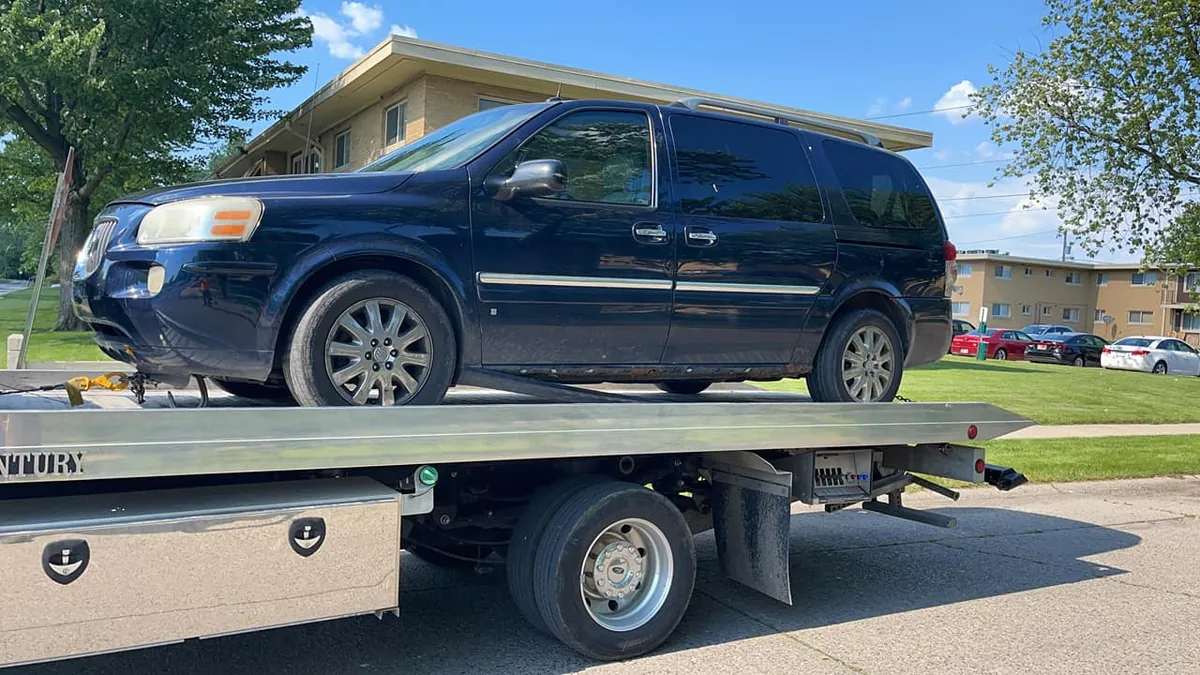
In the junk car business, towing is a cost of doing business, not an extra. Every serious buyer in Indianapolis hauls cars all day and builds that cost into the offer. Free junk car removal is the industry standard — a buyer who charges for it is telling you something about how the rest of the deal will go.
How to protect yourself: ask one question before you schedule anything: “Is towing free, and will anything be deducted from the offer at pickup?” Get the answer in the same text or email as the quote. At Cash Car Heroes, towing is free on every pickup and never comes out of the offer — that’s the standard you should hold every buyer to.
Want a straight number with nothing deducted at the door? Cash Car Heroes quotes in 10-15 minutes during business hours, tows free on every pickup, and pays cash or check on the spot. Get your free quote →
3. Can a Junk Car Buyer’s Check Bounce?
It can, and by the time you find out, your car is gone. The nastiest version uses a counterfeit check. By law, banks have to make deposited funds available quickly — but a fake can take weeks to discover, and when it surfaces you pay the bank back every dollar (FTC Consumer Advice, 2025). In 2019, people reported more than $28 million lost to fake checks, at a median loss of $1,988 each (FTC Data Spotlight, 2020) — right in the range of a decent junk car payment.
“The check cleared” is the phrase that fools people. Funds being available is not the same as the check being good.
How to protect yourself:
- Cash at pickup is the cleanest outcome. No float, no risk, no waiting.
- A check from an established, licensed local business with a physical yard and years of reviews is a different animal from a check written by a stranger from Facebook Marketplace. Judge accordingly.
- Never sign over the title until the payment is in your hand.
- Refuse any deal where the buyer “overpays” and asks for the difference back. That is the classic fake-check play, start to finish.
4. Unlicensed Buyers Who Never Transfer the Title
This scam costs the most and surfaces the slowest. An unlicensed operator hands you cash, hauls the car off, and never retitles or reports it. Months later the car turns up abandoned, ticketed, or towed — and every notice comes to you, because Indiana’s records still say it’s yours.
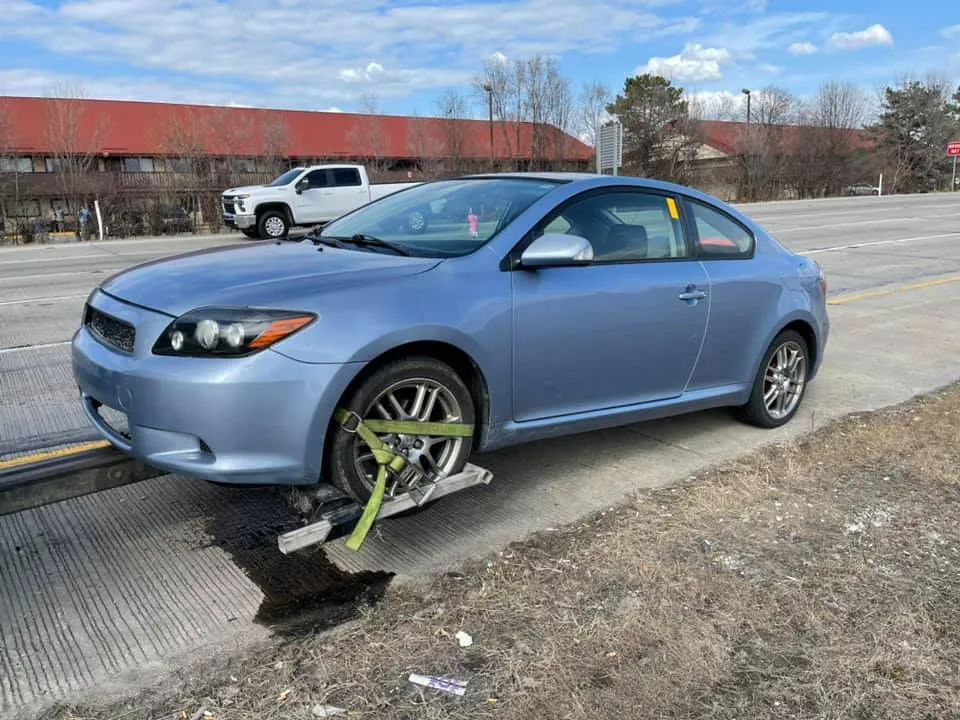
Indiana doesn’t leave this to chance. Anyone who wrecks, dismantles, crushes, or otherwise destroys vehicles — or sells used major component parts — needs an automotive salvage recycler license from the Secretary of State’s Auto Dealer Services Division (Indiana Secretary of State). Getting one means a criminal background check, a state bond, proof of insurance, a zoning affidavit, and photos of an actual location. The guy with a chain and a gate address in a Facebook group has cleared none of that.
How to protect yourself:
- Look the buyer up in Indiana’s public dealer search before you accept an offer. It takes about a minute and filters by license type and county.
- Fill out the seller’s section of the title completely. The Indiana BMV requires both the seller and purchaser sections completed in their entirety, and the buyer has 45 days to apply for a new title before penalties start (Indiana BMV).
- Write a simple bill of sale and keep a signed copy. It’s your proof the car changed hands, and on what date.
- Take your license plates off. In Indiana, plates stay with the seller, not the car.
Cash Car Heroes operates as a fully licensed, bonded, and insured auto salvage recycler, so the title paperwork gets handled the legal way on every single purchase. Any buyer worth your time can say the same — and prove it in the state database.
5. The “Your Car Is Worth Nothing” Lowball
Some buyers open by trashing your car. It’s too old, too rusty, nobody wants the parts, scrap prices just crashed — but they’ll generously take it off your hands for $100. It sounds like an assessment. It’s a negotiation tactic aimed at people who haven’t checked what their car is worth.
Our take, after buying thousands of vehicles: almost no complete car is worth nothing. The steel alone has scrap value, and popular models carry serious parts value on top — which is why the same car can get very different offers depending on how the buyer makes its money.
How to protect yourself: know your number before the first phone call. Our guide to what junk cars are actually worth in Indianapolis breaks down how year, weight, condition, and parts demand set the price. Then get two or three quotes — our comparison of Indianapolis junk car buyers shows how the local and national options stack up. A lowballer folds fast when you can quote a competitor’s offer back.
6. No-Show Ghosting
You accept an offer, block out your Saturday, and nobody comes. You call; the quote has “expired,” or needs to be “re-verified,” or the schedule slipped to next week. Repeat until you give up or accept less.
Sometimes this is plain disorganization. Just as often, the “buyer” never had a truck — they were shopping your car around to see if the flip made sense, and it didn’t. Either way, your time paid for it.
How to protect yourself: before you accept, ask who is physically picking the car up and get a concrete window, not “sometime this week.” A buyer with its own trucks and drivers can answer instantly. That’s the machinery behind real same-day junk car pickup in Indianapolis — 86% of accepted offers get picked up the same day, because the trucks doing the pickup are ours.
7. Middleman Brokers Who Sell Your Lead
You fill out one quote form. Within an hour, four different companies are calling, none of them the one you contacted. The “buyer” you found was a lead broker — a website that collects your name, number, and car details, then sells them to whoever pays. The quote that got you to submit the form was never real, and now every negotiation starts over with a stranger who paid for your phone number.
Brokers add a cost without adding a truck, a yard, or a dollar of value. Whatever the end buyer pays for your lead comes out of what they can pay for your car.
How to protect yourself: ask two questions. “Do you own your tow trucks?” and “Where is your yard?” A direct buyer answers in one breath — ours is on Stanley Ave on the south side of Indianapolis, and the whole process runs through our own team from quote to pickup. A broker changes the subject, because there is no yard.
How Do You Check if a Junk Car Buyer Is Legit in Indiana?
Run this five-minute check before accepting any offer:
- Search the license. Look the business up in the Indiana Secretary of State’s dealer license database. No license, no deal.
- Read recent reviews. Look for a long history on Google — hundreds of reviews built over years, with the company responding. Ten reviews from last month is its own red flag.
- Confirm a physical address. A real yard means accountability if something goes wrong. Check it on a map.
- Get the offer in writing with the condition it’s based on, the pickup window, and confirmation that towing is free and nothing gets deducted.
- Insist on payment at handoff — cash, or a check you’re confident in — before the title leaves your hand.
Still unsure about a specific situation — a lien, a missing title, an inherited car? Our junk car FAQ answers the questions we hear most from Indianapolis sellers.
And if a buyer has already scammed you, report it to the Indiana Attorney General’s Consumer Protection Division, which takes complaints against businesses operating in the state. It matters: complaint records are how the next seller finds out.
Five-minute check, zero surprises. Licensed, bonded, and insured — look us up, read the reviews, then get a real offer in writing. Call or text (317) 538-4824, or start with a free 10-15 minute quote →
What Does a Legitimate Junk Car Sale Look Like?
For contrast, here’s how the process runs when nobody’s running a script on you. You describe the car honestly and get a written offer in 10-15 minutes. Pickup gets scheduled around your day — usually the same day, since 86% of our accepted offers are picked up same-day. The driver confirms the car matches the description, hands you cash or a check on the spot, the tow is free, and nothing is deducted. Title signed, plates off, done.
That’s not a sales pitch so much as a checklist. Cash Car Heroes is family-owned, runs 7 days a week from 8am to 8pm, and has earned a 4.8-star rating across 1,596+ Google reviews doing it exactly that way. But whoever you sell to — us, another local yard, a national service — hold them to that same standard. The seven scams above only work on sellers who don’t know what a clean deal looks like. Now you do.
Frequently Asked Questions
Is cash for cars legit?
Yes — selling a junk car for cash is a legitimate, regulated industry. In Indiana, real buyers hold an automotive salvage recycler license from the Secretary of State and are bonded and accountable. The scams live at the edges: unlicensed operators, lead brokers, and bait-and-switch outfits. Verify the license and get the offer in writing, and the process is safe.
How do I know if a junk car buyer in Indianapolis is licensed?
Search the business name in the Indiana Secretary of State’s public dealer database at dealers.sos.in.gov, which lets you filter by license type and county. Anyone dismantling or recycling vehicles in Indiana needs an automotive salvage recycler license. If the buyer isn’t in the database and can’t produce a license number, walk away.
Should I accept a check for my junk car?
Cash at pickup is safest. A check from an established, licensed local business with a physical yard and a long review history is generally fine; a check from an unverified stranger is a risk, because banks have to release deposited funds quickly but can take weeks to discover a fake (FTC Consumer Advice, 2025) — and you repay the bank. Never release the car and title before payment.
Do junk car buyers charge for towing in Indianapolis?
Legitimate buyers don’t — free towing is the industry standard, built into the offer. Treat any towing, processing, or paperwork fee “deducted at pickup” as a red flag, because it usually signals a bait-and-switch operation. Cash Car Heroes tows free on every pickup in the Indianapolis area, and the towing never comes out of the offer.
Why did the junk car buyer lower the offer at pickup?
Two possibilities. If the car’s condition differs from what was described — it won’t start, the catalytic converter is missing, damage went unmentioned — an adjustment is legitimate and the driver can point to the exact reason. If the excuse is vague (“the market changed”) and comes with pressure to decide immediately, it’s a bait-and-switch. You can refuse and keep the car.
What paperwork protects me when selling a junk car in Indiana?
Three things: complete the seller’s section of the title (odometer reading, sale date, price, both signatures) per Indiana BMV rules, keep a signed bill of sale as your receipt, and remove your license plates, which stay with you in Indiana. Together they prove the car changed hands on a specific date — your shield if it later turns up ticketed or abandoned.
Who do I report a junk car scam to in Indiana?
File a complaint with the Indiana Attorney General’s Consumer Protection Division at in.gov/attorneygeneral, which handles deceptive business practices statewide. For fake checks and fraud generally, also report to the FTC at ReportFraud.ftc.gov. Reports build the paper trail that regulators and other sellers rely on, even when your own money can’t be recovered.
Get Your Cash Offer Now!
Free • No Obligation • Takes 60 Seconds