
After selling your car in Indiana, four jobs remain: remove your license plates before the vehicle leaves, keep a copy of the signed title and bill of sale, transfer or retire the plate through the BMV, and cancel your insurance once the car is physically gone. Indiana does not require a separate seller notification — the buyer’s title work creates the state record.
Last updated: September 2026
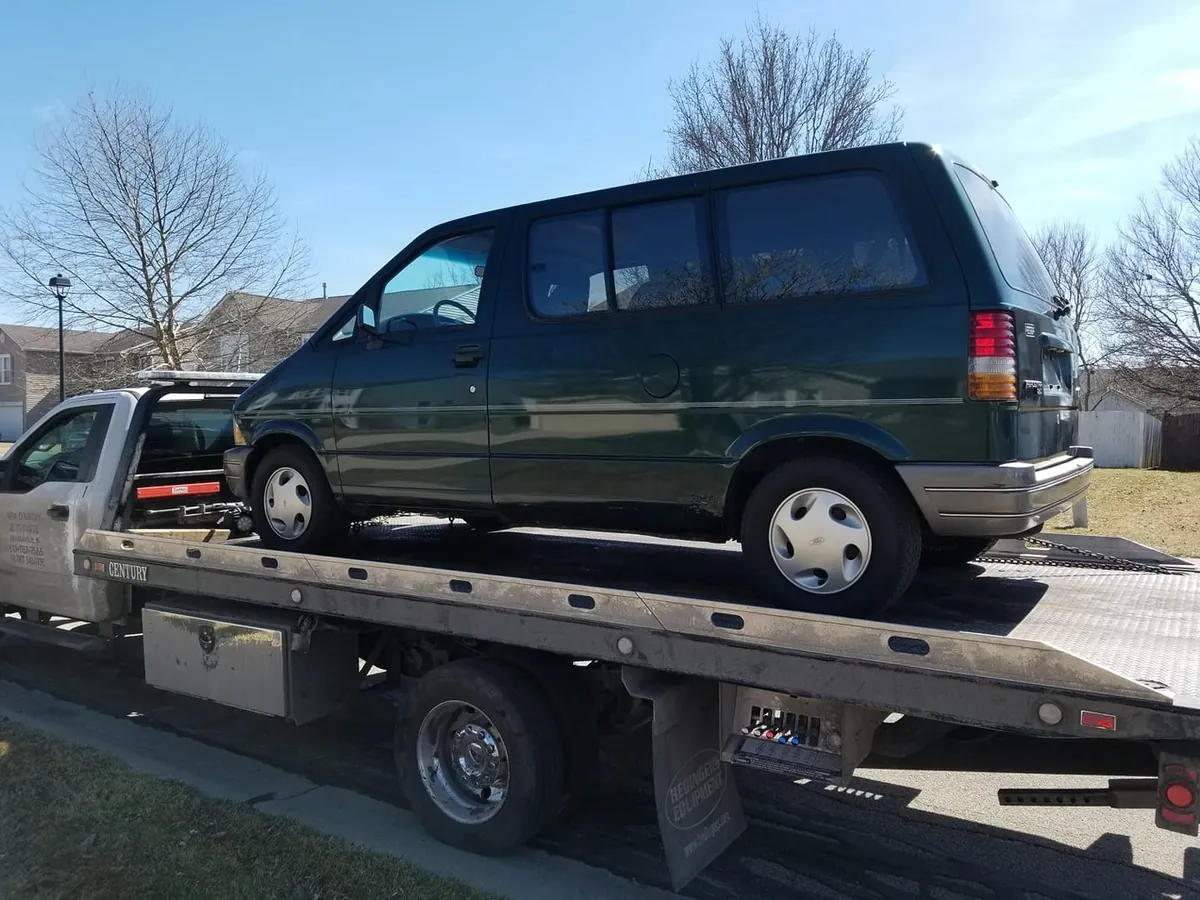
The tow truck just pulled away with your old car on the back. Cash in hand, driveway suddenly bigger. Done, right?
Almost. At Cash Car Heroes, we buy junk cars across Indianapolis and Central Indiana every day — 86% of them picked up the same day the seller accepts our offer — and the question we hear most as the truck pulls off is some version of “wait, do I need to do anything with the BMV now?” Fair question. Most guides walk you up to the handshake and stop cold. This one covers the 20 minutes after.
The good news: Indiana keeps the after-sale list short. Here it is, in order.
What Do You Need to Do After Selling a Car in Indiana?
Work through these six steps, ideally starting before the car is even loaded:
- Remove your license plates before the vehicle leaves your property. In Indiana, the plate belongs to you, not the car.
- Photograph the signed title, front and back, before handing it over. Keep the photos with your bill of sale.
- Decide what to do with the plate: transfer it to another vehicle you own through myBMV, or destroy it. The BMV does not take it back.
- Skip the BMV line — Indiana has no seller notification form to file. The buyer’s title application creates the record.
- Cancel or update your insurance, but only after the car is physically gone. Use the sale date as the effective date.
- File your records — title photos, bill of sale, buyer’s information — somewhere you can find them in three years.
That is the whole list. The rest of this guide explains each step, what the Indiana BMV actually requires, and the two mistakes that cost sellers real money.
Still have the car? Get the sale itself handled first — Cash Car Heroes pays cash on the spot with free towing, and 86% of pickups happen same day. Quotes take 10–15 minutes during business hours. Get your offer →
Do You Remove License Plates When Selling a Car in Indiana?
Yes — and before the car leaves, not after. The Indiana BMV’s guidance is direct: “The seller should remove the license plate from the vehicle at the time of the transaction” (Indiana BMV, 2026).
This is the step we would print on every seller’s receipt if we could. In Indiana, the plate is registered to you, the person — not to the vehicle. A plate left on a sold car keeps pointing at you: parking tickets, toll charges, an abandonment notice if the car ends up somewhere it shouldn’t. You will not be driving the car anymore, but your name still answers for that plate until it comes off.
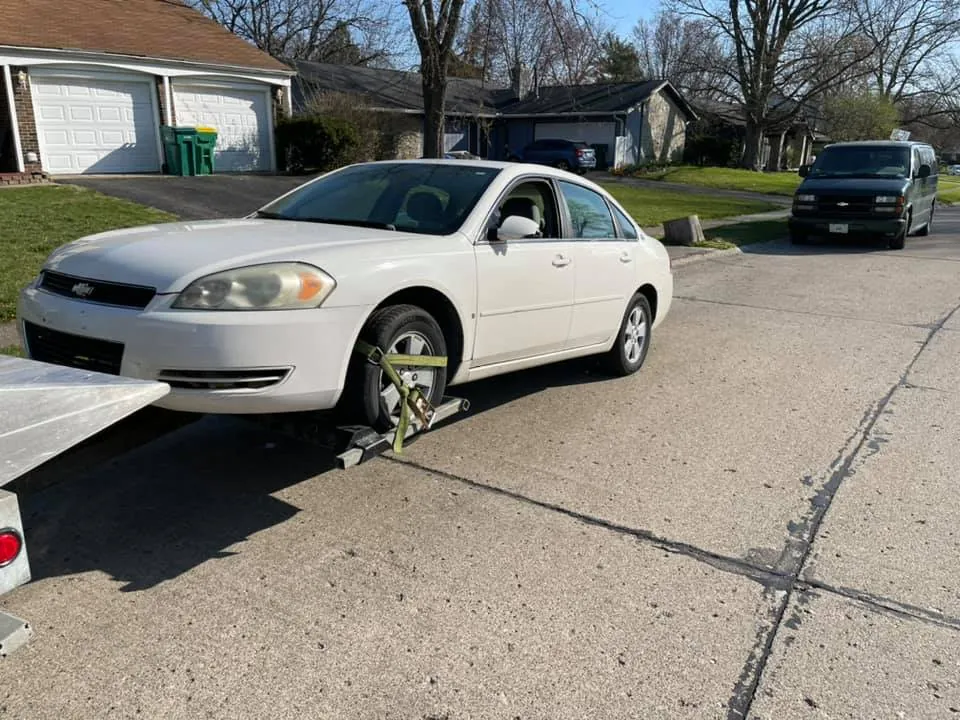
When our drivers arrive for a pickup, pulling the plate takes about thirty seconds with a screwdriver — have one ready before the truck arrives. Selling to a private buyer instead? Do it before they drive off. No exceptions, even for the neighbor you have known for 20 years.
If you are still getting the car ready for sale, our pre-sale checklist covers what to pull out of the car before any buyer shows up.
What Should You Do With the Plates After the Sale?
Indiana does not want the plate back. “The Indiana BMV does not require the license plates of sold vehicles to be returned to the BMV” (Indiana BMV, 2026). You have two sensible options:
- Transfer it. The plate can move to another vehicle you own. Passenger plates, truck plates for vehicles 11,000 pounds or less, motorcycle plates, and In God We Trust plates can all be transferred online through your myBMV account — no branch visit for most sellers (Indiana BMV, 2026).
- Retire it. If you are not replacing the vehicle, cut the plate up or bend it and put it in the trash. The BMV’s own advice is to make it “permanently unreadable and unusable” (Indiana BMV FAQ, 2025). Do not leave a readable plate in the alley bin — plates get reused by people you would rather not lend your name to.
Handling it online is now the norm, not the workaround: 54% of all BMV transactions in 2025 happened on myBMV, at a kiosk, or over the phone, and BMV Connect kiosks alone processed 1.55 million transactions (Indiana BMV 2025 Annual Report). For most sellers, the entire plate question is a phone task done from the couch.
Do You Have to Notify the Indiana BMV That You Sold Your Car?
No. This surprises people, so it deserves its own section: Indiana has no seller notification form. There is no “report of sale” to file, no release-of-liability card to mail in, nothing to click on myBMV that says “I sold this car.”
Some states work very differently. California sellers, for example, must file a Notice of Transfer and Release of Liability within 5 calendar days of the sale (California DMV, 2026) — which is why national guides tell you to report the sale to your state DMV and expect a release-of-liability form (Progressive, 2026). In Indiana, the record updates from the other side of the deal: when the buyer applies for a new title, or a licensed salvage buyer files its disposal paperwork, the state’s file on that VIN moves on without you.
Your protection is not a form — it is your own file. Which brings us to the paperwork.
Which Paperwork Should You Keep After Selling Your Car?
Before the title leaves your hands, photograph it — both sides, with the buyer section filled in. Then keep:
- The title photos showing the completed assignment and both signatures
- Your bill of sale with the price, date, VIN, and the buyer’s name
- The buyer’s business name and phone number, if you sold to a company
- Any pickup receipt or payment confirmation
If a question ever comes up tied to that VIN — a toll bill, an impound letter, an insurance inquiry — that little folder ends the conversation in one phone call. We walk through the documents themselves in our Indiana junk car paperwork guide, and the Indiana junk car laws hub covers the full legal picture.
One modern wrinkle worth knowing: Indiana launched electronic titles in July 2025, so some owners now hold a digital title instead of a paper one (Indiana BMV 2025 Annual Report). Screenshots of a completed e-title assignment serve the same keep-a-copy purpose.
When Should You Cancel Your Insurance After Selling Your Car?
After the car is physically gone — and honestly, not one minute before.
We have met sellers who canceled coverage the day they accepted an offer, a week ahead of pickup. If anything happens in that gap — a tree limb, a fire, a neighbor kid’s bike into the quarter panel — that uninsured week is on you. Keep the policy until the car is on the truck and rolling. Then make the call.
When you do call, three moves protect you:
- Set the sale date as the effective cancellation date and ask for written confirmation of the cancellation (Insure.com).
- Transfer instead of canceling if you are replacing the car. A continuous coverage history keeps your rates down; a lapse — even a short one — can follow you to your next quote (Insure.com).
- Ask about a prorated refund if you prepaid your premium. Many drivers get a small check back for the unused months.
Do it correctly and there is money in it. As Fred Hoffman, founder and chief executive of Life Insurance Guideline, told Insure.com: “Depending on the insurance company, there may be different cancellation procedures. It is important to cancel a policy correctly so that you are not charged any unnecessary fees or penalties.”
We can’t make this call for you — only the policyholder can cancel a policy. But we can make the timing easy: with same-day pickup on most Indianapolis sales, the window between “accepted the offer” and “car is gone” is usually a few hours, not a week of exposure.
The After-Sale Checklist at a Glance
| Task | When | Why it matters |
|---|---|---|
| Remove the plates | Before the car leaves | The plate answers to you — tickets and tolls included |
| Photograph the signed title | Before handing it over | Your proof of exactly when ownership changed |
| Transfer or destroy the plate | Within a few days | Online at myBMV for most plate types; no return needed |
| Notify the BMV | Never — no form exists | The buyer’s title application updates the record |
| Cancel or update insurance | Once the car is physically gone | No coverage gap, no phantom premium, possible refund |
| File your records | Same week | One folder ends any future question about that VIN |
Want the sale that makes this list easy? We buy cars in any condition — running or not — with free towing, cash on the spot, and a 4.8-star rating across 1,219+ Google reviews. See how we buy junk cars →
What Else Should You Grab Before the Car Leaves?
The plates and title get all the attention, but do one last sweep for:
- The glovebox and console — registration, insurance cards, mail, anything with your address
- The garage door remote clipped to the visor (the classic)
- Toll transponders and parking passes still billing to your account
- Phone pairing and saved addresses, if the car is new enough to have Bluetooth — delete your profile so your contacts don’t ride along (Progressive, 2026)
- The trunk, under the spare — you would not believe what we find under spare tires
We’ll say the honest part: most 20-year-old junk cars have no infotainment to wipe and nothing in the trunk but a rusty jack. But the garage remote mistake is a real one, and it is worth two minutes of checking every single time.
What Happens If You Skip These Steps?
Here is what the skipped steps can cost an Indianapolis seller:
- Plate left on the car. The car changes hands again, picks up a parking ticket downtown or gets left on a side street and towed, and the notice lands in your mailbox — because the plate still says you.
- Insurance canceled early. Pickup slips a day, hail rolls through Greenwood that night, and the damage conversation starts with “your policy ended yesterday.”
- No records kept. Eight months later a letter asks about “your” abandoned vehicle, and you have nothing showing the sale date. It usually gets sorted out — but with your folder, it gets sorted out in five minutes instead of five phone calls.
None of these are likely on any single sale. All of them are cheap to prevent, which is the whole argument.
How Cash Car Heroes Handles the After-Sale Steps
When you sell your junk car to Cash Car Heroes, the split of labor is simple. We handle everything on the buyer’s side: the title transfer, the disposal paperwork, and whatever comes next for the vehicle. As a fully licensed, bonded, and insured auto salvage recycler, that back-office part is our everyday work.
You keep the four seller-side jobs no buyer can legally do for you: pull your plates (our driver will wait), photograph the title, cancel your own insurance, and keep your copies. Locally family-owned, 7 days a week from 8am to 8pm — and if any of it is unclear on pickup day, ask the driver or call the office. Walking sellers through this list is a normal Tuesday for us.
Ready to clear the driveway? Call or text (317) 538-4824, or send the form — a specialist responds in 10–15 minutes during business hours with a real cash offer. Start your quote →
Frequently Asked Questions
Do I have to notify the Indiana BMV when I sell my car?
No. Indiana has no seller notification form. Unlike states such as California, you do not file a release of liability with the Indiana BMV after a private sale. The buyer’s title application creates the state-side record of the transfer. Your job is simpler: keep a copy of the signed title and your bill of sale in case questions ever come up.
Should I return my license plates to the BMV after selling my car?
No. The Indiana BMV does not require plates from sold vehicles to be returned (Indiana BMV, 2026). The plate belongs to you, not the car. You can transfer it to another vehicle you own — passenger, truck under 11,000 pounds, motorcycle, and In God We Trust plates all transfer online at myBMV — or simply destroy it.
When should I cancel my insurance after selling my car?
Only after the car is physically gone — on the truck and down the street. Ask your insurer to make the sale date the effective cancellation date, and get written confirmation. If you are replacing the vehicle, transfer the policy instead of canceling so your coverage history stays continuous and your next quote stays low (Insure.com, 2026).
What happens if I leave my plates on a car I sold?
The plate is registered to you, so anything it is involved in traces back to you first — parking tickets, toll charges, abandonment notices. The BMV tells sellers to remove the plate at the time of the transaction (Indiana BMV, 2026). Thirty seconds with a screwdriver beats a surprise letter from a tow lot three months later.
Can I transfer my license plate to my new car online?
Usually, yes. Passenger plates, truck plates for vehicles 11,000 pounds or less, motorcycle plates, and In God We Trust plates can all be transferred online through your myBMV account (Indiana BMV, 2026). A few situations still require a branch visit, but most sellers finish the plate transfer from their phone in a few minutes.
Does Cash Car Heroes handle the BMV paperwork after pickup?
We handle everything on the buyer’s side — the title transfer and the vehicle’s paper trail from pickup onward. You keep the seller-side jobs no buyer can do for you: pulling your plates, keeping your copies, and canceling your own insurance. Call (317) 538-4824 with questions; we walk sellers through this every day, 8am to 8pm.
Get Your Cash Offer Now!
Free • No Obligation • Takes 60 Seconds