After you sell a junk car, it goes to a licensed salvage yard where reusable parts are pulled and resold, fluids are drained and recycled, and the leftover shell is crushed, shredded, and melted into new steel. Roughly 86% of a vehicle’s material is recycled, reused, or recovered (Automotive Recyclers Association, 2026).
Last updated: August 2026
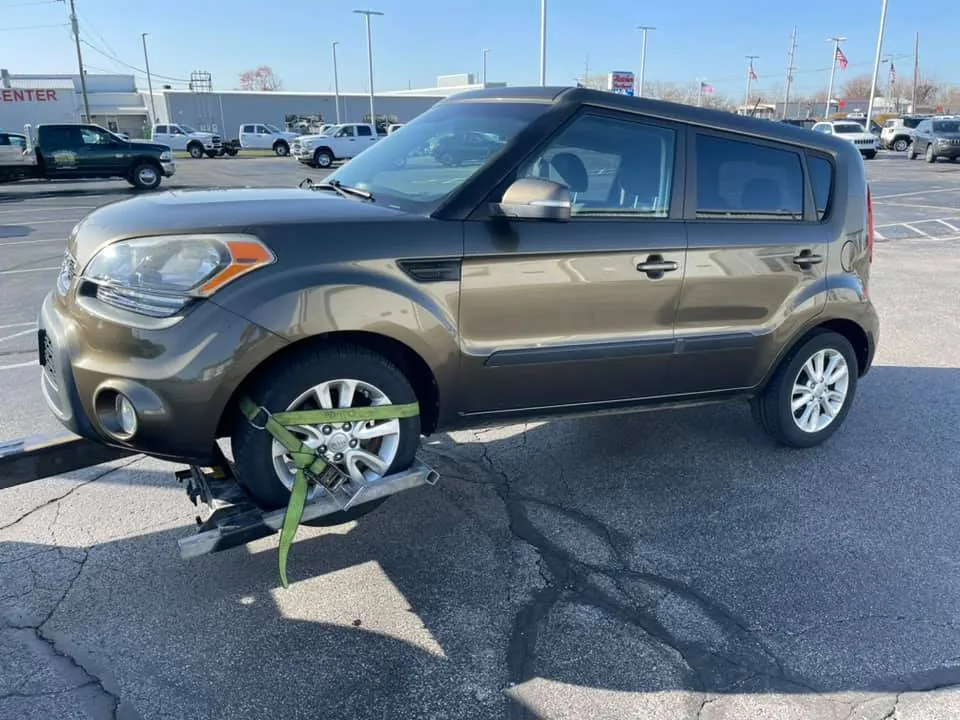
If you’ve ever wondered what happens to junk cars after the tow truck turns the corner, you’re not alone. We hear the question at Cash Car Heroes on pickups every week — sometimes it’s plain curiosity, sometimes it’s a small pang of guilt about the Malibu that hauled your family around for a decade. The cash is in your hand, the flatbed is gone, and part of you wonders if the old car is about to rot in a field somewhere.
It isn’t. Here’s the short, honest version of where it goes.
Where Does Your Junk Car Go After Pickup?
When Cash Car Heroes buys your car in the Indianapolis area, it doesn’t travel far. It heads to The New Country Auto Parts, our family’s full-service salvage yard on Stanley Ave — the same south-side Indy street our office sits on. Your car’s parts get a second life at The New Country Auto Parts, backed by a 30-day warranty.
A lot of junk car buying runs through middlemen who broker the car along to whichever yard or auction pays the most. Ours doesn’t work that way. It rolls into a working yard run by the same family that bought it — a fully licensed, bonded, and insured auto salvage recycler, not a mystery lot three states away.
What Happens to Junk Cars at the Salvage Yard? (Step by Step)
Every car we buy goes through the same sequence, from flatbed to furnace:
- Check-in and inventory. The yard logs the year, make, model, and condition, then decides which parts are worth pulling. A one-owner Impala with a healthy engine gets treated very differently than a rusted-through shell.
- Every fluid comes out. Gas, motor oil, coolant, transmission fluid, brake fluid, refrigerant, washer fluid — all drained first. Industry-wide, auto recyclers recover about 24 million gallons of motor oil and 8 million gallons of fuel every year (Automotive Recyclers Association, 2026).
- The battery and tires come off. Lead-acid batteries are one of recycling’s quiet success stories — 96% of them are recycled (Automotive Recyclers Association, 2026). Tires get pulled and recycled separately.
- Usable parts are pulled. Engines, alternators, doors, glass, wheels, seats — anything in demand gets inventoried and resold to drivers fixing their own cars. This is a big part of why yards can pay real money for cars that don’t run.
- The shell is crushed and shredded. Once the car is stripped and drained, a crusher flattens the shell, and it goes on to an industrial shredder that tears what’s left into fist-sized chunks.
- The metal is sorted and melted down. Magnets and separators split out steel, aluminum, and copper, and the steel heads to a mill. The recycling industry recovers more than 14 million tons of steel from vehicles every year (Recycled Materials Association, 2026).
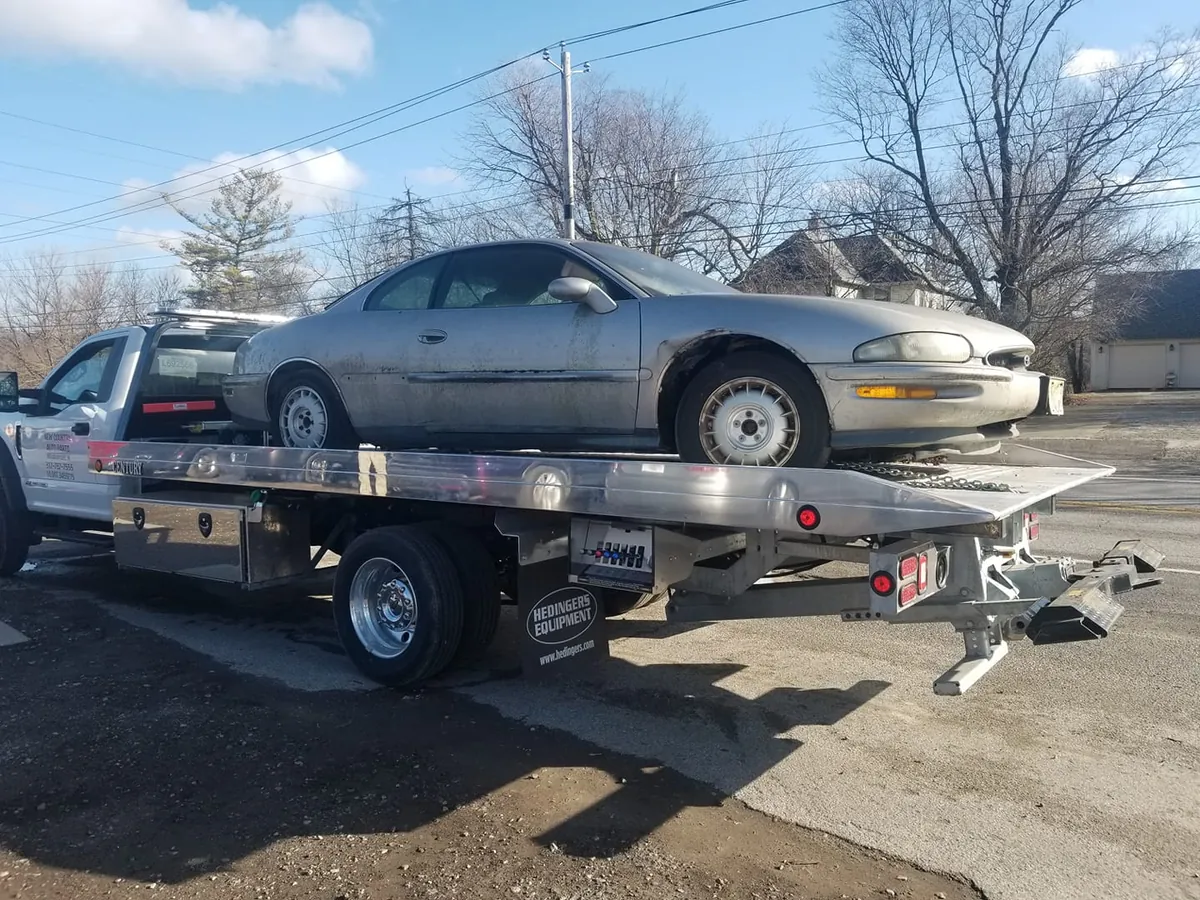
Got a car ready for its next chapter? Cash Car Heroes pays cash on the spot with free towing, 7 days a week, 8am–8pm. Quotes take 10–15 minutes during business hours. Get your free quote →
What Parts of a Junk Car Get Reused?
More than most sellers expect:
| Part or Material | What Happens to It | Where It Ends Up |
|---|---|---|
| Engine & transmission | Tested, inventoried, resold | Someone else’s repair, for far less than new |
| Doors, panels, glass, lights | Pulled and shelved | Collision repairs across Central Indiana |
| Catalytic converter | Recovered for platinum, palladium, and rhodium | New converters and electronics |
| Battery | Lead and plastic separated — 96% recycling rate | New batteries |
| Fluids | Drained, filtered, reprocessed | Recycled oil and fuel products |
| Steel shell | Crushed, shredded, melted | New cars, appliances, construction steel |
That catalytic converter line is one reason junk cars are worth more than most sellers guess — the metals inside are precious in the literal sense, and a single converter can be worth more than the rest of the car.
According to Kristen Hildreth, Vice President of Public Affairs at the Recycled Materials Association, “Cars are the most recycled product across the United States” (Recycling International, 2025). Not bottles. Not cardboard. Cars.
How Much of a Junk Car Avoids the Landfill?
About 86% of a vehicle’s material content is recycled, reused, or recovered for energy, and the industry handles over 4 million vehicles a year in the U.S. and Canada (Automotive Recyclers Association, 2026). The steel matters most: American mills consume nearly 70 million tons of steel scrap every year (American Iron and Steel Institute, 2026), and the body of a new car is built with more than 25% recycled steel (Recycled Materials Association, 2026). Your old Tahoe may literally become part of somebody’s new truck.
Every ton of steel made from scrap conserves 2,500 pounds of iron ore, 1,400 pounds of coal, and 120 pounds of limestone (Automotive Recyclers Association, 2026).
We’ll be straight with you about the other 14%, though. After shredding, the mix of foam, fabric, and fused plastics — the industry calls it shredder residue — is still hard to recycle, and most of it does go to landfill today. 86% is genuinely good. It isn’t 100%, and we won’t pretend otherwise.
Why Selling Beats Letting It Sit in the Driveway
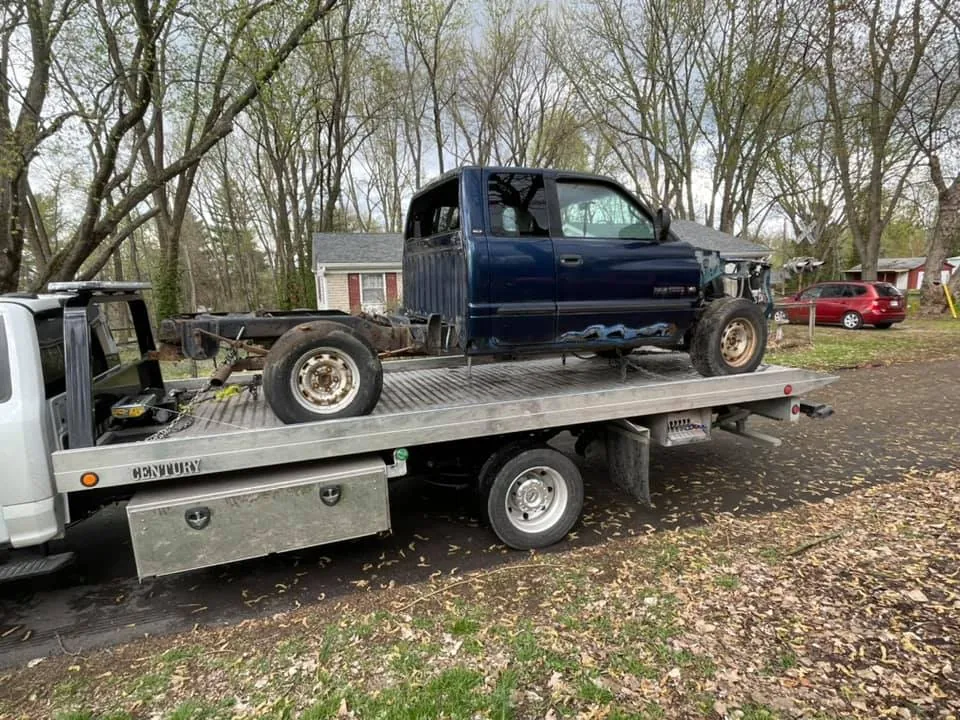
Our honest opinion: the worst thing you can do with a dead car is nothing. Parked on grass or gravel, it slowly leaks the very fluids a salvage yard would have drained safely — oil, coolant, brake fluid — into the ground. Parts that could have kept other cars on the road corrode into worthlessness.
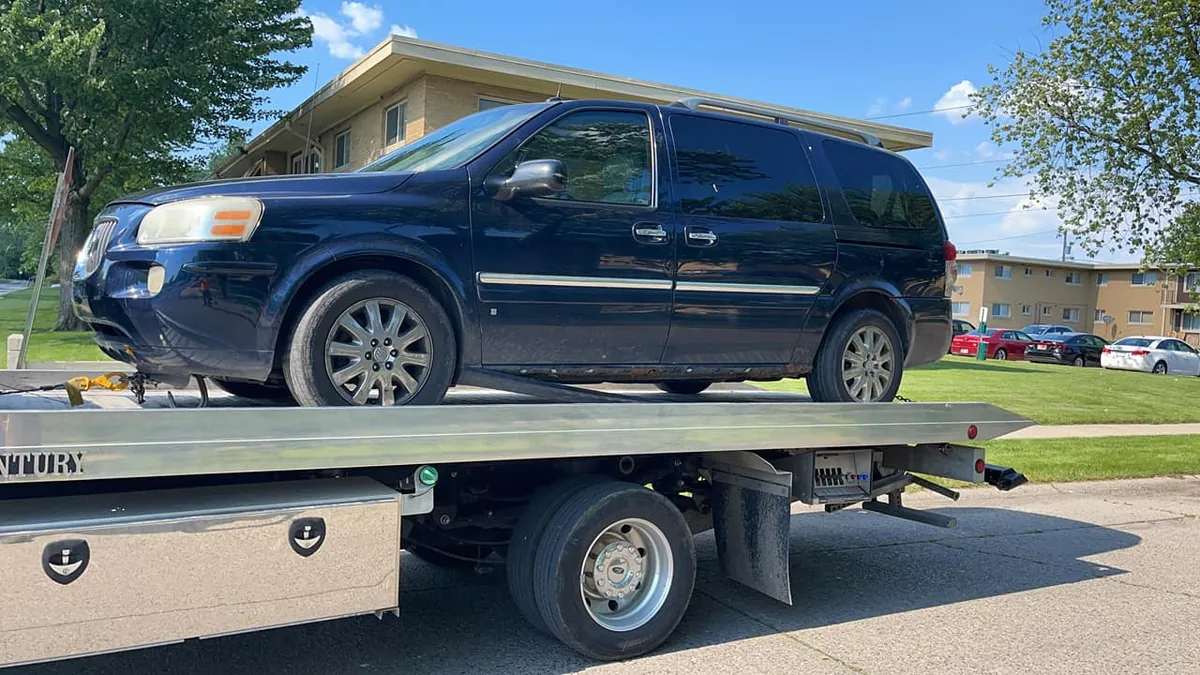
Selling flips all of that. We buy cars in any condition — running or not, wrecked, rusted, or just plain done — across Indianapolis, Greenwood, Beech Grove, Speedway, and all of Central Indiana. 86% of accepted offers are picked up the same day, towing is always free and never comes out of the offer, and payment is cash or check on the spot. Our step-by-step Indianapolis selling guide covers the details, and the whole process starts with one phone call.
Got scrap metal or old appliances taking up space next to that car? Our sister company Indy Pickup 1111 picks them up for free — same family, same recycling operation.
Ready to give your old car a second life? Call or text (317) 538-4824 and a real person will quote your car in 10–15 minutes. 1,219+ Google reviews at 4.8 stars, free towing on every pickup. Sell your car today →
Frequently Asked Questions
What happens to junk cars after they are sold?
Sold junk cars go to a salvage yard, where reusable parts are pulled and resold, every fluid is drained and recycled, and the remaining shell is crushed, shredded, and melted into new steel. About 86% of a vehicle’s material is recycled, reused, or recovered (Automotive Recyclers Association, 2026).
Where does my car go after Cash Car Heroes picks it up?
Straight to our family’s salvage yard, The New Country Auto Parts on Stanley Ave in Indianapolis — not to a middleman or an out-of-state auction. We’re a fully licensed, bonded, and insured auto salvage recycler, so your car is dismantled and recycled by the same local family that bought it.
How much of a junk car actually gets recycled?
Roughly 86% of a vehicle’s material content is recycled, reused, or recovered for energy (Automotive Recyclers Association, 2026). Steel is the biggest share — more than 14 million tons are recovered from vehicles each year — while the hardest remainder, mostly fused plastics and foam, still goes to landfill.
What happens to the fluids in my junk car?
Every fluid is drained before dismantling: gasoline, motor oil, coolant, transmission fluid, brake fluid, refrigerant, and washer fluid. Industry-wide, auto recyclers recover about 24 million gallons of motor oil and 8 million gallons of fuel each year (Automotive Recyclers Association, 2026), reprocessed instead of leaking into the ground.
Do junk car parts really get reused?
Constantly. Engines, transmissions, doors, glass, wheels, and seats are tested, inventoried, and resold to drivers and repair shops for far less than new parts cost. At The New Country Auto Parts, used parts come with a 30-day warranty — and every reused part means one fewer part manufactured from scratch.
Does selling my junk car help the environment?
Yes. Recycling a car’s steel conserves raw material — every recycled ton saves 2,500 pounds of iron ore (Automotive Recyclers Association, 2026) — and draining fluids keeps them out of the soil. In Massachusetts, reusing auto parts and recycling the leftover metal cut the state’s carbon footprint by at least 2.2 million tons of CO2 a year (Worcester Polytechnic Institute, 2017).
So no — your car isn’t rusting away in a field. Your old car isn’t junk to us at all: it’s inventory, recycled material, and a source of affordable parts for other car owners. When yours is ready for its next chapter, check our FAQ or call (317) 538-4824 — we’re here 7 days a week, 8am-8pm.
Get Your Cash Offer Now!
Free • No Obligation • Takes 60 Seconds