Junk car value is set by parts, not just metal weight. A scrap-only buyer pays for steel — roughly $150 to $300 on a typical car. A full-service buyer like Cash Car Heroes also prices the engine, transmission, catalytic converter, wheels, and electronics, which is why our offers routinely beat the scrap number.
Last updated: October 2026
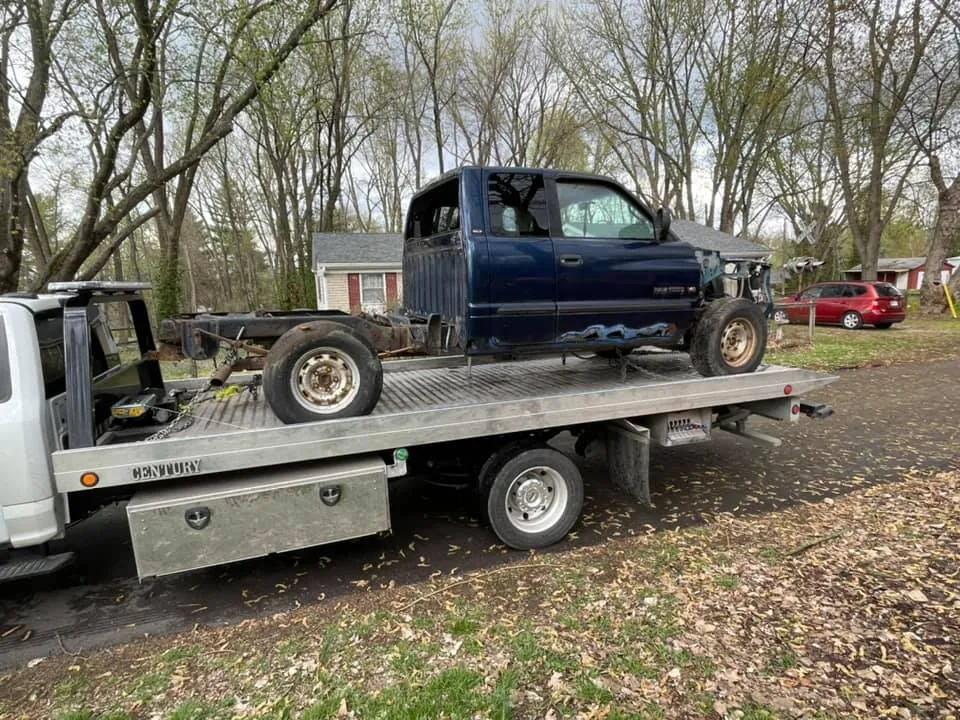
A scrap-only buyer looks at your car and sees 3,000 pounds of metal worth a couple hundred bucks. We look at the same car and see an engine that might bring $1,500, a transmission worth $800, and a catalytic converter worth $250 — before anyone even weighs the metal.
That gap is not a rounding error. One of our customers, Martin Luther Lorvinsky, put it this way in a Google review (March 2026): “I had a first junk car buyer I gave 400 for my car. But car heroes give me 900 bucks. The negotiation was fast like a rocket. Nice to make business with you!”
Same car. More than double the money. Where does that extra money come from? Not a trick, and not a favor. A different business model — and here is every piece of it, part by part.
Why Do Junk Car Buyers Pay More Than Scrap Value?
Because some buyers can only sell steel, and some buyers can sell everything.
A scrap-weight buyer has one way to make money on your car: crush it, shred it, and sell the metal. Shredder-grade steel paid $0.08 to $0.10 a pound on October 1, 2026 (Scrap Monitor, 2026), which is why a weight-only offer on a typical car lands around $150 to $300 — a little under that for a compact, well over it for a full-size pickup. We track those numbers month to month in our 2026 scrap metal price guide — the metal market is real, it is just the floor, not the ceiling.
A full-service buyer has three ways to make money on the same car: resell the working parts, recover the precious metals, and scrap whatever is left. Recycled OEM parts sell for 20% to 80% less than comparable new parts (Automotive Recyclers Association, 2026), so repair shops and DIY mechanics buy them all day long. A buyer who can capture that parts revenue can bid past the scrap number — and a buyer who cannot, can’t. Simple as that.
Cash Car Heroes is the second kind of buyer. We are a licensed, bonded, and insured auto salvage recycler, family-owned here in Indianapolis, and the vehicles we buy feed a working salvage yard. When our specialist quotes your car, the parts math is already in the number. For a full breakdown of what cars like yours actually fetch around Indy, see how much a junk car is worth in Indianapolis.
What Parts of a Junk Car Are Worth Money?
Here are the parts that do the heavy lifting in a junk car offer. The resale ranges come from the counter at The New Country Auto Parts, our family’s full-service salvage yard on the south side — the same place your car’s parts get a second life, backed by a 30-day warranty. The converter row is the one exception: it is priced as recovered metal rather than as a reusable part, so that range comes from the 2026 converter price boards in our catalytic converter value guide.
| Part | Typical used value | Why it matters to your offer |
|---|---|---|
| Catalytic converter | $75–$700+ OEM; up to $1,400 for some hybrids | Precious metals inside; priced into every offer |
| Engine (complete) | $300–$2,500 | The single biggest line item on most cars |
| Transmission | $150–$1,500 | Second-biggest; 4x4 units at the top |
| Wheels & rims | $15–$200 each | OEM alloy sets sell fast |
| Body panels (doors, fenders, hoods) | $50–$400 | Collision shops buy them constantly |
| Headlights & taillights | $25–$250 | LED and HID assemblies command the high end |
| Alternator & starter | $25–$100 each | Small money, but they sell every day |
| Infotainment & electronics | Varies widely by model | On newer cars, can rival the mechanical parts |
A few of these deserve a closer look.
The Catalytic Converter
The rusty can under your floorboard contains platinum, palladium, and rhodium, and catalytic converters are the leading domestic use for platinum-group metals (USGS Mineral Commodity Summaries, 2026). In 2025, about 50,000 kilograms of palladium and 8,600 kilograms of platinum were recovered from automobile catalytic converters in the United States (USGS, 2026). That is why a converter on a hybrid or a diesel pickup can be worth more than the car’s entire scrap weight — we broke down the full numbers in our guide to catalytic converter value in a junk car. Short version: leave it bolted on. Its value belongs in your offer.
The Engine and Transmission
The drivetrain is where most of the money lives. A complete engine runs $300 for a tired four-cylinder up to $2,500 for a low-mileage V8 or a high-demand motor, and a transmission runs $150 to $1,500 behind it. This is also why “my car doesn’t run” does not mean “my car is worth scrap.” A car can fail to start for fifty cheap reasons while the engine itself is still a sellable, rebuildable asset.
Everything Else Adds Up
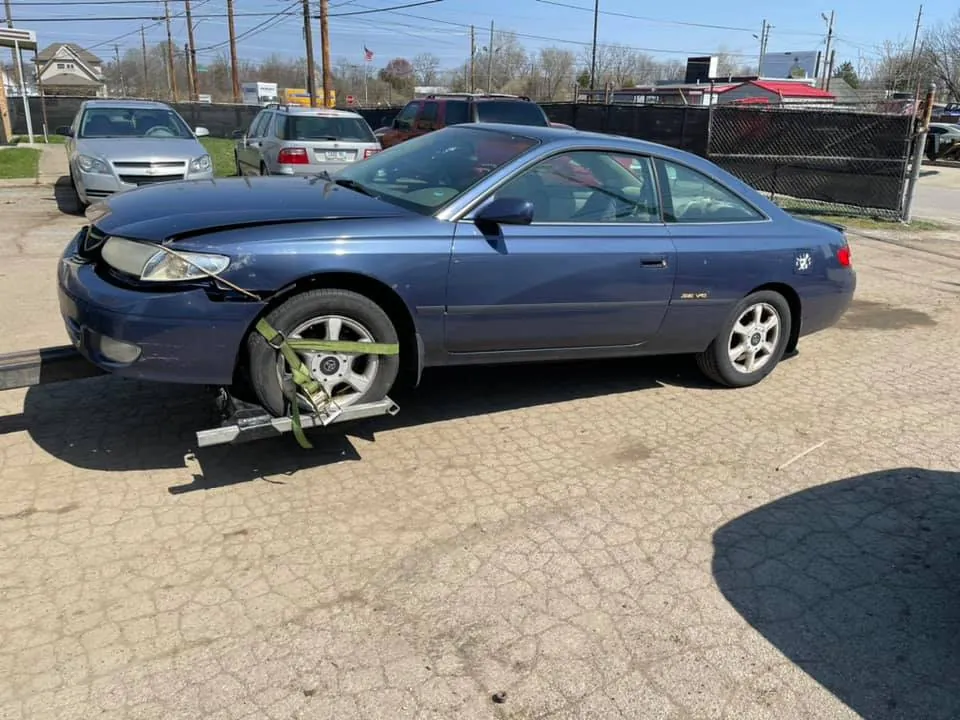
No one gets rich selling a $40 alternator. But an alternator, a starter, two headlights, four alloy wheels, a clean hood, and a working infotainment screen — on one car — is several hundred dollars of inventory that a scrap-weight buyer simply throws into the shredder. Multiply that across every vehicle and you see why the two buyer types quote such different numbers.
Curious what the parts math says about your car? Get a cash offer from Cash Car Heroes in 10–15 minutes, 7 days a week, 8am–8pm — free towing always included, never deducted. Get My Offer →
How Parts Value Becomes a Higher Cash Offer
Here is the whole pricing model in one sentence: we capture the parts value, and we pass more of it to you.
When you request a quote, our specialist is not just estimating steel weight. They are reading the year, make, and model to figure out what the parts market wants from that exact vehicle. A 2009 Accord with a good engine is a parts goldmine. A rare import with parts nobody searches for is mostly metal. The quote reflects that difference — which is why we ask about condition details that a scrap buyer never bothers with.
After we buy your car, more than 90% of it can be recycled and reused (Automotive Recyclers Association, 2025). As ARA Executive Director Vince Edivan puts it: “Think beyond the bin, your car is one of the most recyclable things you own.” The sellable parts go on the shelf, the converter goes to metal recovery, the fluids get drained responsibly, and the shell gets scrapped — we walked through the whole chain in what happens to your junk car after you sell it.
So when a scrap yard offers $200 and we offer $900, nobody is doing you a favor. The scrap yard is paying for one revenue stream. We are paying out of three.
What Makes One Junk Car Worth More Than Another?
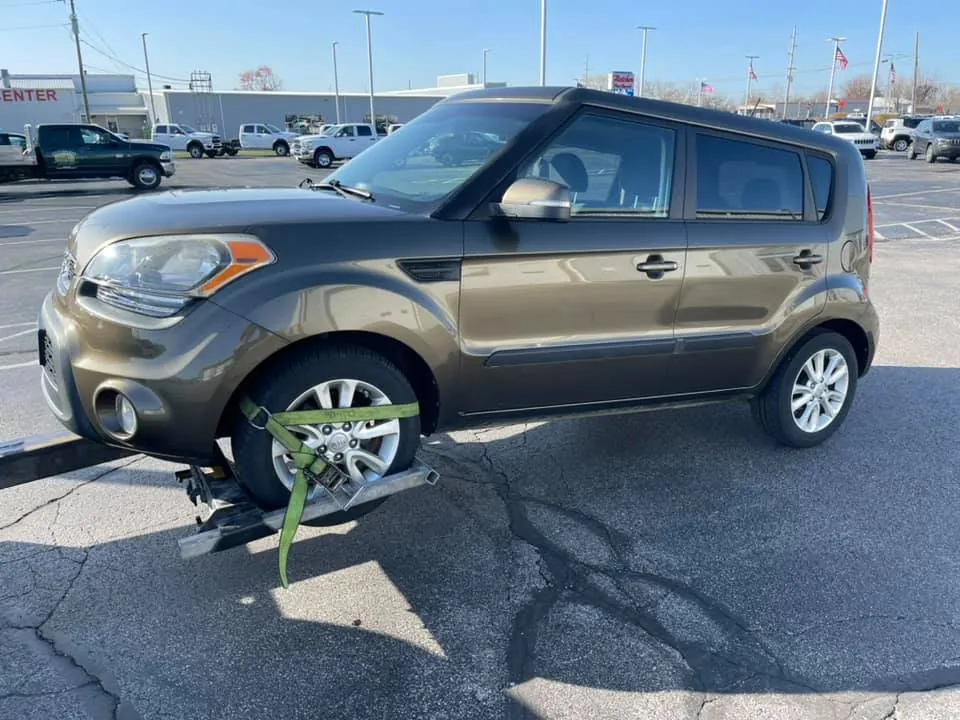
Four factors drive every quote we write:
- Year, make, and model. The single most important factor. It determines what the replacement-parts market will pay for everything on the car.
- Size and weight. Heavier vehicles carry more metal, so trucks, vans, and SUVs start from a higher scrap floor.
- Condition. Running beats non-running. Rust, accident damage, and missing components all subtract — a missing catalytic converter subtracts a lot.
- Parts demand. High-volume vehicles (Civic, Accord, Camry, Corolla, F-150, Silverado) sell parts within days because millions of them are on the road needing repairs. Rare vehicles can carry expensive parts that sit for months.
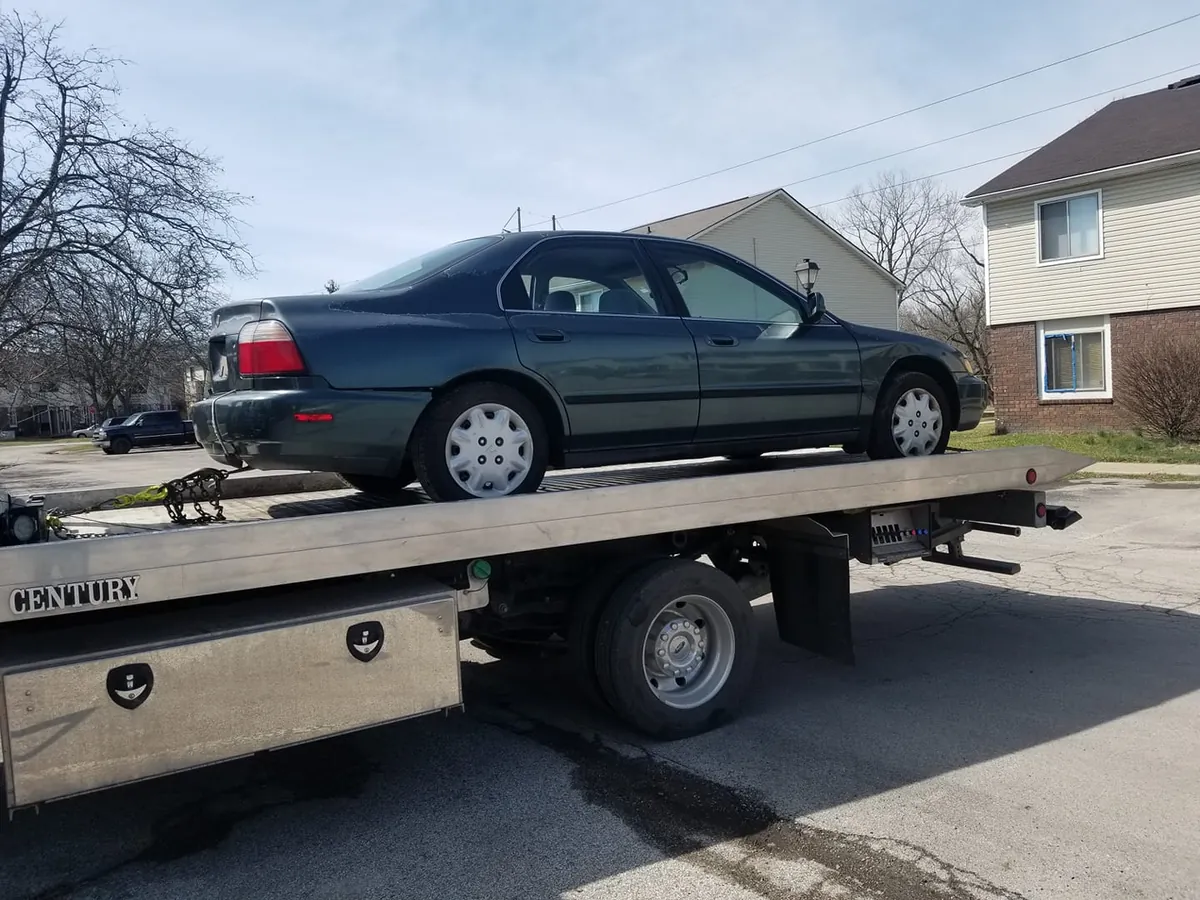
Notice what is not on the list: how the car looks. We have paid real money for vehicles covered in rust because the drivetrain was healthy and the model was in demand. If your car is ugly but common, the parts market does not care about ugly.
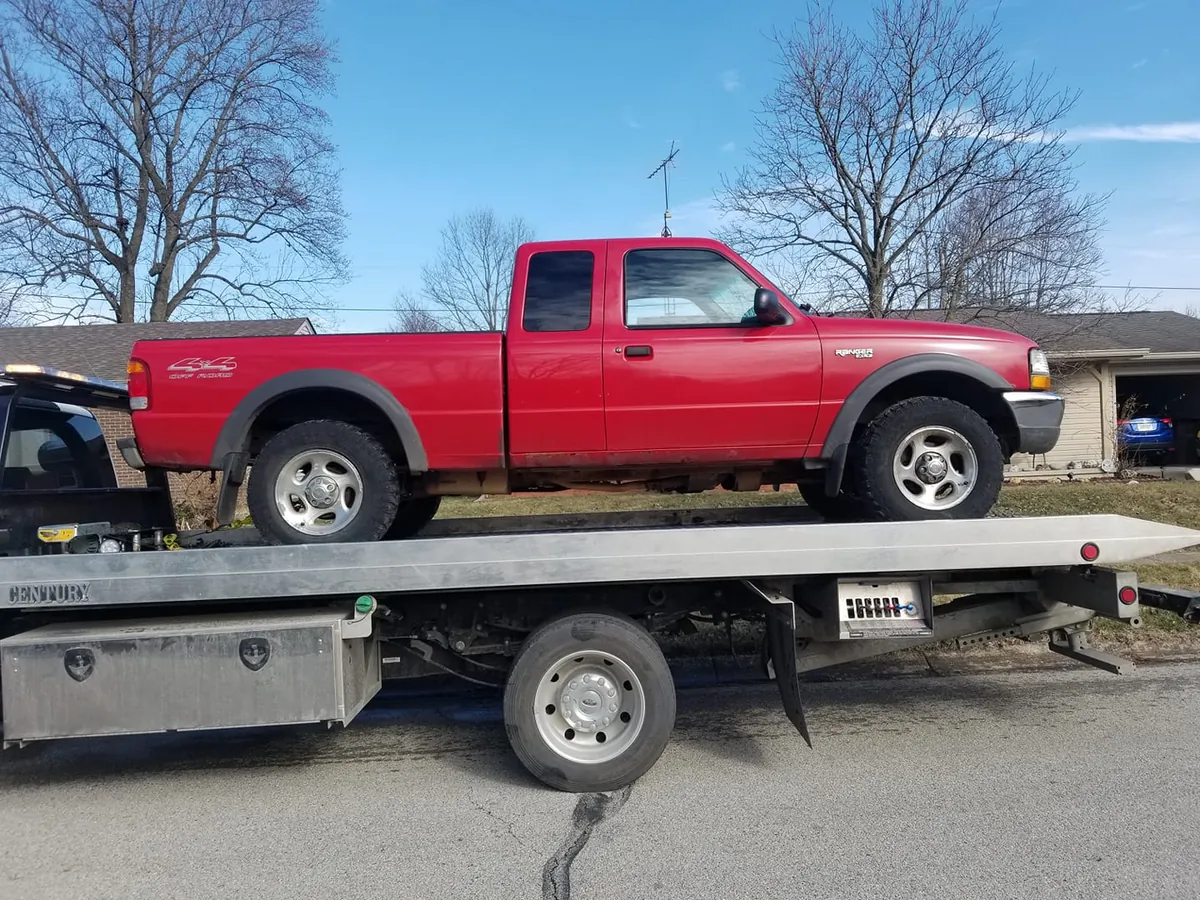
Should You Pull the Valuable Parts Yourself Before Selling?
Honestly? For most people, no — and this is us leaving money on the table by telling you.
Parting out a car yourself can beat any buyer’s offer on paper. In practice it means weeks of wrench time, a place to store a shell, tools you may not own, listing fees, no-show buyers, and a pile of leftover car that still has to be scrapped — minus the parts, which means a lower scrap offer at the end. If you are a mechanic with a free month and a spare bay, parting out can genuinely win. Most people are not, and the math quietly eats the profit.
There is one part you should never pull: the catalytic converter. Used converters are federally regulated and generally cannot be reinstalled on another car, and in Indiana a detached converter may only be bought or sold by a licensed automotive salvage recycler — a private seller needs a law-enforcement affidavit as proof of ownership and can be paid no more than $25 in cash. We laid out that law in the catalytic converter value guide. A missing converter also drops any junk car offer by roughly the converter’s value. Leave it on and let it do its job in the quote.
The simpler play: tell us everything the car has going for it. Good tires, newer battery, recent engine work, working A/C — details like these can move a quote up, and the inspection at pickup just needs to match what you described.
Skip the wrenches. Call or text Cash Car Heroes at (317) 538-4824 and get the parts value in your pocket without pulling a single bolt — cash or check on the spot, and 86% of leads get picked up the same day. Get a Quote Now →
Frequently Asked Questions
Why do junk car buyers pay more than scrap yards?
A scrap yard earns money one way: selling your car’s metal by weight. A full-service buyer earns three ways: reselling working parts, recovering precious metals from the catalytic converter, and scrapping the leftover shell. More revenue streams per car means more room to bid, so parts-based offers routinely beat weight-based offers by hundreds of dollars.
What parts of a junk car are worth the most money?
The engine is usually the biggest line item, worth $300 to $2,500 used depending on mileage and demand. The transmission runs $150 to $1,500, and the catalytic converter adds $75 to $700 or more for its platinum, palladium, and rhodium. Wheels, body panels, and lighting assemblies add smaller amounts that stack up across the whole vehicle.
How much is the catalytic converter worth in a junk car?
Most original-equipment converters are worth $75 to $700 or more as metal recovery, and some hybrid converters reach $1,400. The value comes from platinum, palladium, and rhodium — catalytic converters are the leading domestic use for platinum-group metals (USGS, 2026). Leave yours attached when you sell; a missing converter drops the offer by roughly its value.
Should I remove valuable parts before selling my junk car?
Usually no. Parting out takes tools, storage space, and weeks of selling effort, and every part you remove lowers what a buyer will pay for the rest. A parts-based buyer already prices the engine, transmission, and converter into the cash offer. The exception is personal items and your license plate — those should always come out before pickup.
Is a non-running car worth more than scrap?
Often, yes. A car that will not start can still carry a healthy engine, a good transmission, an intact catalytic converter, and sellable body parts — none of which depend on the car driving onto the truck. Cash Car Heroes buys non-running cars across Central Indiana with free towing, so the condition never costs you a tow fee.
How do I find out what my junk car is actually worth?
Get a real quote instead of a calculator estimate. Cash Car Heroes quotes vehicles in 10 to 15 minutes during business hours (8am-8pm, 7 days a week) — call or text (317) 538-4824 or use the online form. The quote is based on your exact year, make, model, and condition, and free towing is included rather than deducted.
The Bottom Line on Junk Car Value
Your car is worth what a buyer can do with it. A buyer who can only shred it will pay you for steel. A buyer who can put its engine on a shelf, its converter into metal recovery, and its wheels back on the road can pay you for all of that — and at Cash Car Heroes, backed by a 4.8-star rating across 1,219+ Google reviews, that is exactly the offer we build. Fast quote, cash on the spot, free tow, and the hidden value in your junk car ends up where it belongs: in your pocket.
Find out what your car is really worth. Quotes in 10–15 minutes from Indy’s hometown junk car buyer — no one pays more. Get My Cash Offer →
Get Your Cash Offer Now!
Free • No Obligation • Takes 60 Seconds